 Skip to content

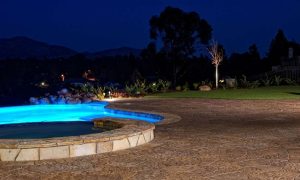
Pool and spa design keeps evolving. What looked fresh ten years ago now feels dated. Orange County homeowners building new pools or renovating existing ones want spaces that feel current while still working for their lifestyle.
The trends shaping pool and spa design in Orange County for 2026 focus on usability, technology, and seamless integration with the surrounding landscape. These are not passing fads but shifts in how people actually use their backyards.
Baja Shelves And Tanning Ledges
Baja shelves continue gaining popularity because they solve a real problem. Traditional pools offer two options: full-depth water or the deck. A baja shelf creates a middle ground with four to eight inches of water where you can relax in lounge chairs while staying cool.
Orange County families love baja shelves for multiple reasons. Parents can watch young children play in shallow water. Adults can read, work on laptops, or enjoy drinks without fully committing to swimming. The shelf becomes the most-used zone in many pools.
Design considerations matter. Size the shelf to fit your preferred lounge furniture. Two chairs need at least eight feet of length. Add subtle texture to the surface for grip without being rough on bare skin. Consider a bubbler or small fountain on the shelf for visual interest and sound.
Positioning affects sun exposure throughout the day. Work with your pool designer to orient the shelf where you actually want to lounge based on how sun tracks across your yard.
Infinity And Negative Edges
Infinity edges work especially well for Orange County properties with views. The vanishing edge creates an unbroken visual line that extends toward the horizon, ocean, or hillside beyond your property.
Engineering complexity increases costs, but the visual payoff justifies it for the right setting. An infinity edge on a flat lot without a view wastes money. The same feature on a hillside property overlooking the coast creates a stunning focal point.
Perimeter overflow pools take the concept further. Water overflows on all sides into a hidden catch basin, creating a mirror-like surface. This contemporary look suits modern architecture and emphasizes clean geometric lines.
Sound factors into the experience. Falling water creates white noise that masks traffic and neighbor sounds. For some homeowners, this acoustic benefit matters as much as the visual effect.
Smart Pool Technology
Pool automation has advanced dramatically. Modern systems go far beyond simple timers to provide genuine control and monitoring from anywhere.
Chemical Management now happens automatically. Smart systems monitor chlorine, pH, and other levels continuously. They add chemicals as needed to maintain proper balance. This reduces time spent testing and adjusting while keeping water quality consistent.
Heating Optimization learns your usage patterns. Systems warm the pool or spa before you typically use them without wasting energy heating unused water. Integration with weather data prevents heating before storms or cold snaps when you will not swim.
Lighting Control from your phone lets you set the mood for evening swims or parties. Change colors, dim levels, and create lighting scenes without walking to a panel. Voice control through smart home systems adds convenience.
Monitoring And Alerts notify you of problems before they become expensive. Low water levels, equipment malfunctions, and unusual readings trigger notifications. Catching issues early prevents damage and keeps your pool ready to use.
These technologies add cost upfront but save money and hassle over time. Most Orange County pool owners who install smart systems wonder how they managed without them.
Integrated Spa Design
Attached spas remain popular, but how they connect to the main pool is changing. Heavy stone surrounds with obvious spa boundaries feel dated. Current designs make the spa appear as a natural extension of the pool environment.
Spillover spas sit slightly elevated so water cascades into the main pool. This creates visual connection, soothing sound, and dramatic evening lighting effects. The moving water also helps circulate the pool.
Zero-edge transitions eliminate visible boundaries between spa and pool. Water appears to flow seamlessly from one to the other. This works particularly well with geometric pool shapes and modern architecture.
Material continuity reinforces the integrated look. Using the same paver selections around both pool and spa creates visual unity. Consistent tile treatments at the waterline carry through both spaces.
Separate heating systems let you maintain different temperatures. Keep the spa at 102 degrees while the pool stays at 82 degrees. Most homeowners use their spa year-round while pool swimming remains seasonal.
Pool Lighting Design
Lighting transforms how pools look and feel after sunset. Orange County’s outdoor lifestyle extends into evening hours, making lighting design essential.
LED technology dominates pool lighting now. LEDs last far longer than halogen, use less energy, and offer color-changing capability. Even homeowners who prefer white light benefit from LEDs because the color can be adjusted for warmth or coolness.
Perimeter lighting places fixtures in the pool wall at water level. This creates even illumination across the pool surface. Multiple fixtures distributed around the perimeter eliminate dark spots and shadows.
Deck and landscape lighting extends the illuminated zone beyond the water. Uplighting on palm trees, path lights along walkways, and subtle glow from planters create layers that make the entire backyard feel welcoming at night.
Fire and water combinations create dramatic effects. A fire bowl reflecting in still pool water or flames dancing alongside a waterfall feature adds visual interest that photographs beautifully and impresses guests.
Work with designers who understand lightscape design as part of the overall backyard composition.
Geometric Versus Organic Shapes
Pool shape preferences cycle over time, but current Orange County trends favor clean geometry. Rectangles, squares, and pools with precise angles dominate new construction.
Geometric pools suit contemporary and modern architecture better than the freeform shapes popular in previous decades. They also maximize usable pool space within a given footprint since the shapes follow property boundaries more efficiently.
Organic shapes still work for certain settings. Tropical or naturalistic landscape designs benefit from curved pools that feel discovered rather than constructed. Properties with irregular boundaries sometimes work better with freeform shapes.
Dual-element pools combine approaches. A geometric main pool connects to a freeform spa or a rounded wading area. This provides the clean lines that read well from the house with softer transitions where swimmers interact.
Your architecture and landscape style should guide shape decisions. View featured projects to see how different approaches work in actual Orange County backyards.
Pool Deck And Hardscape Integration
The deck surrounding your pool matters as much as the pool itself. Hardscape design creates the overall impression and affects how comfortable and functional the space feels.
Concrete pavers continue dominating pool deck applications. They stay cooler than poured concrete, drain better, and allow easy repair if sections settle or crack. Color and pattern options let you create anything from Mediterranean warmth to sleek contemporary style.
Larger format pavers reflect current preferences. Oversized rectangles or squares create a clean look with fewer grout lines. The reduced pattern complexity lets the pool and landscape become focal points.
Coping details matter for both looks and comfort. The edge treatment between deck and pool affects how swimmers enter and exit. Bullnose or rolled edges feel comfortable under bare feet. Cantilevered coping creates a shadow line that adds visual depth.
Transitions to other yard zones need attention. How does the pool deck connect to your patio, lawn, or landscape beds? Well-designed transitions feel intentional rather than awkward. See examples in our hardscape gallery.
Water Features And Focal Points
Pools no longer exist as standalone elements. Water features add movement, sound, and visual interest that make pools feel more like experiences.
Sheer descent waterfalls create a smooth sheet of water falling from a raised beam or wall. The contemporary look suits geometric pools. LED lighting behind the water creates dramatic evening effects.
Scuppers and spouts send arcs of water from raised walls into the pool. Mediterranean and Spanish colonial styles use this treatment frequently. The sound adds ambient texture without overwhelming conversation.
Deck jets spray streams of water from the pool deck into the pool. Children love playing in the arcs. Illuminated jets create nighttime entertainment. These features can run continuously or activate on demand.
Bubblers in baja shelves and beach entries add gentle movement and sparkle. The small fountains create visual interest in shallow water zones without creating splash that disturbs relaxation.
Fire and water combinations rank among the most requested features. A fire bowl at the edge of the pool, flames emerging from water, or a fire feature integrated into a waterfall creates a focal point that guests remember.
Planning Your Pool And Spa Project
Pool construction takes time. From initial design through finished product typically runs four to six months. Starting the design process now positions your project for completion before summer.
Site assessment comes first. Your property’s size, shape, topography, and soil conditions all affect what’s possible and how much it costs. Utility locations, access for equipment, and setback requirements factor into the design.
Design development explores options. 3D renderings show how different pool shapes, sizes, and features will look in your actual yard. This visual process helps you make confident decisions before construction starts.
Permitting and HOA approval take several weeks in most Orange County jurisdictions. Your design team should handle these submissions and track approvals to keep the project moving.
Construction phases include excavation, steel and plumbing, gunite or shotcrete, tile and coping, decking, and final startup. Each phase requires inspections before proceeding. Experienced builders sequence this work to minimize delays.
Work With Orange County Pool Experts
Pool and spa design in Orange County demands local expertise. Our climate, soils, regulations, and lifestyle differ from other regions. Designers without local experience miss details that matter.
Western Outdoor Design and Build has created pools throughout Southern California including Newport Beach, Huntington Beach, and San Clemente. Our design-build approach means one team handles everything from concept through final startup.
Book a design consultation to explore how current trends can work in your backyard. We will assess your property, discuss your goals, and show you what’s possible. The backyard oasis you have been imagining is closer than you think.