
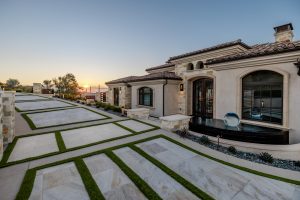
Living near the Orange County coast comes with stunning benefits. Ocean breezes, mild weather, and views that never get old. But coastal living also brings unique challenges for your backyard. Salt air, wind exposure, and strict HOA rules all shape what works and what does not.
A well-planned backyard design in Orange County takes these factors into account from the start. The right approach creates an outdoor space that looks beautiful, holds up to the elements, and meets community guidelines.
Understanding the Coastal Environment
Orange County coastal homes sit in a special climate zone. Cities like Newport Beach, Huntington Beach, and San Clemente experience marine layer fog, salt-laden air, and steady onshore winds. These conditions affect everything from plant selection to material choices.
Salt air corrodes metal quickly. It damages certain wood finishes and can harm sensitive plants. Wind exposure dries out soil faster and stresses plants that lack strong root systems. Successful backyard design in this region accounts for these realities.
The upside? Our Mediterranean climate allows year-round outdoor living. With proper planning, your backyard becomes an extension of your home that you can enjoy every month of the year.
Maximizing Ocean Views
Many Orange County coastal properties have partial or full ocean views. Good backyard design protects and enhances these sightlines rather than blocking them.
Start by mapping your view corridors. Stand at key points inside your home and on your patio. Note where you see the water and what obstructs the view. This analysis guides every design decision that follows.
Low-profile plantings work well along view lines. Ornamental grasses, ground covers, and layered succulents add color and texture without growing tall enough to block the horizon. For vertical elements, consider open-frame pergolas or cable railings that maintain transparency.
Terraced hardscape design can also improve views. Stepping down the yard in levels creates visual interest while preserving sightlines from upper areas. Stone or paver retaining walls add structure and define outdoor rooms without solid barriers.
Creating Privacy Without Walls
Privacy matters, but solid walls and tall fences often violate coastal HOA restrictions. Many communities limit fence heights to four or six feet, and some prohibit solid barriers entirely to preserve neighborhood views.
Strategic planting solves this problem. Hedge-forming shrubs like pittosporum, podocarpus, or xylosma create living screens that grow to the heights you need. These plants tolerate salt air and recover well from wind damage.
Layered plantings add depth to privacy screening. Combine tall background plants with mid-height shrubs and foreground ground covers. This approach looks natural and provides better screening than a single row of the same plant.
Outdoor structures also create privacy zones. A well-placed pergola or cabana defines intimate spaces within larger yards. Retractable shade systems or outdoor curtains add flexible privacy when you want it.
Selecting Plants That Thrive
Plant selection makes or breaks coastal landscapes. The wrong choices struggle, look shabby, and require constant replacement. The right plants establish quickly and improve over time.
Salt-tolerant natives perform best near the immediate coast. Consider California buckwheat, coastal sage, coyote bush, and beach evening primrose. These plants evolved in our conditions and support local wildlife.
For more color and variety, add proven coastal performers. Bird of paradise, agave, aloe, lantana, and rosemary all handle salt spray and wind. Bougainvillea thrives in sheltered spots with good drainage.
Wind protection helps sensitive plants succeed. Use hardy species as windbreaks along exposed edges. This creates microclimates where less tolerant plants can grow in the protected interior.
Our landscape and garden services include detailed plant selection matched to your specific site conditions.
Designing Patios for Coastal Living
Your patio forms the foundation of outdoor living space. Material choice, size, and configuration all matter for coastal homes.
Concrete pavers offer the best combination of durability, style, and value for Orange County patios. Unlike poured concrete, pavers resist cracking from soil movement. Individual pavers can be replaced if damaged. Colors and patterns stay consistent over time.
For coastal applications, choose pavers with slip-resistant surfaces. The combination of morning fog and salt residue creates slick conditions on smooth materials. Tumbled or textured pavers provide better traction.
Size your patio for how you actually use outdoor space. Include room for dining, lounging, and cooking if you plan an outdoor kitchen. Leave buffer zones around fire features and pools. Consider traffic flow between different activity areas.
Explore our paver and hardscape options for ideas that work in coastal settings.
Outdoor Lighting That Withstands the Elements
Lighting extends your outdoor living hours and adds safety and security. Coastal environments demand fixtures rated for salt air exposure.
Marine-grade stainless steel and solid brass fixtures last longest near the coast. Powder-coated aluminum also holds up well with proper maintenance. Avoid standard outdoor fixtures that corrode within a few seasons.
Layer your lighting for function and ambiance. Path lights guide movement through the yard. Uplights highlight architectural features and specimen plants. Task lighting illuminates cooking and dining areas. String lights or lanterns create soft mood lighting for entertaining.
Low-voltage LED systems reduce energy costs and generate less heat. Many systems work with smart home controls for scheduling and remote operation. Our lightscape design services create custom lighting plans for each project.
Fire Features for Cool Coastal Evenings
Even in mild Orange County, evening temperatures drop near the coast. Fire features add warmth and become natural gathering spots for family and guests.
Gas-powered fire pits and fire tables offer convenience. Turn them on instantly without gathering wood or cleaning ash. Adjust flame height to match conditions. Built-in fire pits can incorporate into patio seating areas or pool surroundings.
Linear fire features create dramatic focal points. A long fire trough along a seating wall or beneath a water feature adds contemporary style. Fire bowls on pedestals work well in smaller spaces or as accent elements.
All fire installations require proper gas lines, ventilation, and clearances. Most Orange County jurisdictions require permits for permanent gas fire features. Our team handles permitting and ensures code compliance for every fire feature installation.
Working Within HOA Guidelines
Most Orange County coastal communities have homeowners associations with landscape guidelines. These rules cover fence heights, plant species, hardscape materials, color palettes, and more. Some communities require design review approval before any exterior work begins.
Experienced local designers know the common restrictions and how to work within them. We review HOA guidelines at the start of every project. This prevents costly redesigns after plans are complete.
Common restrictions in coastal communities include maximum fence heights of four to six feet, requirements for drought-tolerant or native plants, limits on impervious surface coverage, approved color palettes for hardscape and structures, and setback requirements from property lines.
Our design process includes HOA coordination and documentation. We prepare submittal packages that address review requirements and improve approval chances.
Why Local Expertise Matters
Backyard design in Orange County differs from inland areas. Generic landscape plans ignore the specific challenges and opportunities of coastal properties. Designers without local experience often specify materials that fail or plants that struggle.
Our team works throughout Orange County communities including Newport Beach, Huntington Beach, and San Clemente. We understand microclimates, soil conditions, and HOA cultures in each area. This local knowledge translates into designs that perform better from day one.
We also maintain relationships with local suppliers and tradespeople. This means access to quality materials and skilled installation crews who know coastal construction methods.
Start Your Backyard Transformation
Your Orange County coastal home deserves outdoor spaces that match the lifestyle this region offers. Whether you want a complete backyard redesign or targeted improvements, professional design guidance ensures the best results.
Western Outdoor Design and Build specializes in landscape design for Southern California homes. Our team guides projects from initial concept through final installation. We handle permits, HOA approvals, and all construction details.
Request a free design consultation to discuss your backyard design goals. We will assess your property, review your ideas, and explain how our process works. Take the first step toward the outdoor space you have been imagining.