
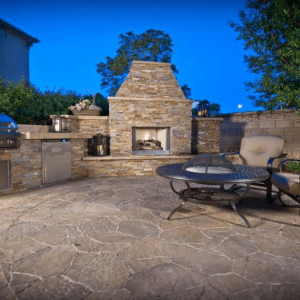
Your backyard has potential. You see it. But turning that vision into reality requires the right landscape designer.
Not all landscape designers deliver the same results. Some create beautiful plans that can’t be built. Others rush through design to get to installation. The best designers listen, plan carefully, and deliver exactly what they promised.
Asking the right questions helps you find a landscape designer who matches your needs, budget, and expectations. Here are nine essential questions to ask before hiring a landscape designer in San Diego.
1. Are You Licensed And Insured?
This question eliminates unqualified contractors immediately. In California, landscape contractors must hold a valid C-27 license. This proves they passed exams, met experience requirements, and carry proper insurance.
Check license status on the Contractors State License Board website. Enter the license number and verify it’s active, not suspended or revoked. Look at the license history. Multiple complaints or disciplinary actions are red flags.
Insurance protects you. General liability insurance covers property damage during construction. Workers compensation covers employee injuries. Without these, you’re liable if someone gets hurt or something breaks.
Ask for proof. Don’t just take their word. Request copies of current insurance certificates. Call the insurance company to verify coverage if you want extra confirmation.
Unlicensed contractors offer lower prices for a reason. They skip licensing costs, insurance premiums, and often quality standards. Saving money upfront isn’t worth the risk of poor work, injuries, or legal problems.
2. How Long Have You Been Designing In San Diego?
Local experience matters. San Diego has unique challenges. Clay soil, coastal salt air, fire risk zones, water restrictions, and specific plant hardiness zones all affect landscape design.
A designer who’s worked in San Diego for 10-plus years understands these factors instinctively. They know which plants thrive in Rancho Bernardo versus La Jolla. They understand drainage solutions for our soil. They’ve navigated local permits and HOA rules.
Out-of-area designers might create beautiful plans that don’t work here. They specify plants that can’t handle our climate. They miss local code requirements. They underestimate how our soil behaves.
Ask to see local projects. A strong local portfolio demonstrates relevant experience. Look for projects similar to yours in size, style, and complexity.
Years in business indicate stability. Companies that survive 15 to 20 years typically deliver quality work and stand behind their projects. Brand-new companies might be great, but established firms offer more security.
3. What Awards Or Certifications Do You Hold?
Awards and certifications demonstrate commitment to excellence. Not every designer pursues these, but they’re strong indicators of quality.
Industry awards come from professional associations like the California Landscape Contractors Association. These recognize outstanding design and installation work. Award-winning companies take pride in their craft.
Manufacturer certifications matter too. Belgard Master Craftsmen certification requires extensive training in paver installation. These contractors understand proper base preparation, edge restraint, and joint filling. Their work lasts decades instead of years.
Trade association memberships show professionalism. Membership in organizations like the National Association of Landscape Professionals demonstrates commitment to industry standards and continuing education.
Don’t be impressed by participation awards. Real recognition comes from competitive judging based on design quality, installation excellence, and client satisfaction.
Western Outdoor has won multiple Best of Houzz awards and holds Belgard Master Craftsmen certification. Our awards and experience reflect decades of commitment to quality landscape design and installation.
4. What Does Your Design Process Look Like?
Understanding the design process sets expectations and prevents surprises. Good designers follow consistent processes that deliver results.
Initial consultation should be thorough. The designer visits your property, measures everything, takes photos, and asks detailed questions about your goals, budget, and lifestyle. This takes at least an hour.
Site analysis comes next. The designer evaluates sun exposure, drainage, soil conditions, existing plants, utilities, and access. This information shapes design decisions.
Conceptual design presents big-picture ideas. You see overall layout, major features, and style direction. This might be sketches or simple renderings. The goal is alignment on vision before detailed design.
Design development adds specifics. Materials, dimensions, plant lists, and construction details get finalized. You make selections on pavers, stone, fixtures, and plantings.
Ask how many revisions are included. Two to three rounds of changes are standard. Unlimited revisions sound great but often indicate indecisive designers who can’t commit to recommendations.
Timeline matters. Simple projects take 2 to 4 weeks from consultation to final design. Complex projects with pools, extensive grading, or multiple structures need 6 to 8 weeks.
5. Do You Provide 3D Renderings?
3D renderings help you visualize finished spaces before construction starts. Computer models show your backyard from multiple angles with accurate materials, colors, and proportions.
Not all designers offer 3D renderings. Some use 2D plans only. Others charge extra for renderings. The best landscape design services include 3D visualization as standard.
Renderings prevent expensive mistakes. You see that the patio is too small, the fire pit blocks the view, or the plant choices look wrong. Making changes on screen costs nothing. Making changes during construction costs thousands.
Ask to see sample renderings from past projects. Quality varies dramatically. Some renderings look like video games. Professional renderings look photorealistic and accurately represent how your space will look.
Lighting simulations show day and night views. You see how your space looks in morning sun, afternoon shade, and evening with landscape lighting. This helps with furniture placement and feature positioning.
6. How Do You Handle Permits And Engineering?
Many landscape projects require permits in San Diego County. Retaining walls over 3 feet, pools, major grading, electrical work, and plumbing all need permits.
Ask who handles permits. The best answer is “we do.” Your designer should prepare permit applications, submit them, schedule inspections, and ensure compliance. This should be included in their service, not an extra charge.
Engineering requirements apply to structural elements. Retaining walls, hillside work, and some hardscape features need engineering stamps. Ask if they have relationships with structural engineers or if you need to hire one separately.
Permit timelines affect your schedule. Simple permits take 2 to 4 weeks. Complex projects need 6 to 12 weeks. Factor this into your planning.
HOA approval is separate from city permits. If you have an HOA, your designer should help prepare HOA submissions. They should know what your HOA typically approves and flag potential issues early.
Cost matters. Permit fees vary by project complexity. A simple patio might cost $200 in permits. A pool and full backyard remodel could run $2,000 to $5,000. Get this estimate upfront.
7. Do You Design And Build, Or Just Design?
Design-only firms create plans you take to contractors. Design-build firms handle both design and construction. Each approach has pros and cons.
Design-only works if you want to bid the project. You get the design, then solicit bids from multiple contractors. This might save money, but it creates problems.
Contractors often claim designs can’t be built as drawn. They suggest changes that save them money but compromise your vision. You’re stuck mediating between designer and contractor.
Warranties get complicated. If something fails, the designer blames the contractor. The contractor blames the design. Nobody takes full responsibility.
Design-build eliminates these problems. One company owns the entire project. They create buildable designs because they’re building them. Communication is simpler. Accountability is clear.
Cost control improves with design-build. The team designs to your budget from the start. They know material costs, labor rates, and installation challenges. No surprise overruns.
Ask about in-house capabilities. Do they employ their own crews or subcontract everything? In-house teams typically deliver higher quality and better communication.
8. What Warranties Do You Offer?
Warranties protect your investment. Good landscape companies stand behind their work for years, not months.
Workmanship warranties cover installation quality. This typically runs 1 to 3 years. It ensures proper installation of pavers, walls, irrigation, and plantings.
Material warranties come from manufacturers. Pavers might carry 25-year warranties. Irrigation controllers have 2 to 5 year warranties. Outdoor appliances vary by brand.
Plant warranties are tricky. Most companies guarantee plants for 1 year with proper care. They’re not responsible if you don’t water correctly. Understand the conditions.
Get warranties in writing. Verbal promises mean nothing. Your contract should clearly state what’s covered, for how long, and what voids coverage.
Ask about service after completion. Do they come back for adjustments? How quickly do they respond to warranty issues? A warranty is only as good as the company honoring it.
9. Can You Provide References From Recent Projects?
References reveal what working with the designer is actually like. Call at least 3 references before making your decision.
Ask references these questions:
- Did the project finish on time and on budget?
- How was communication during the process?
- Did they clean up properly?
- Were there surprise costs or issues?
- How did they handle problems?
- Would you hire them again?
Look for projects similar to yours. If you’re doing a pool and outdoor kitchen, talk to someone who did the same. Their experience is most relevant.
Visit completed projects if possible. Photos look great, but seeing work in person reveals quality details. Look at joints in paver patios, mortar work in walls, and overall craftsmanship.
Check online reviews too. Google, Yelp, and Houzz show patterns. A few negative reviews among hundreds of positive ones is normal. Multiple complaints about the same issues are warnings.
Putting It All Together
Finding the right landscape designer takes effort, but asking these questions saves money, time, and frustration. You eliminate unqualified contractors early and focus on designers who match your needs.
Trust your gut too. Beyond qualifications and processes, you need to work with someone you trust and communicate with easily. Your designer should listen, explain clearly, and make you feel confident.
Western Outdoor has designed and built landscapes throughout San Diego County for over 17 years. We’re licensed, insured, and certified Belgard Master Craftsmen. We handle design, permits, construction, and warranty from a single point of contact.
Ready to interview landscape designers for your project? Contact us to schedule a consultation. We’ll answer these questions and any others you have. We’re confident you’ll see why San Diego homeowners trust us with their landscape investments.