
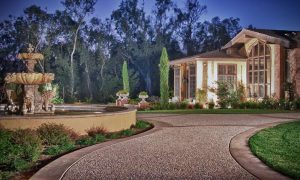
Your driveway creates the first impression of your home. Visitors and passersby notice it before anything else. A worn concrete slab or cracked asphalt says one thing. A well-designed paver driveway says something completely different.
Orange County homeowners increasingly choose pavers over traditional driveway materials. The combination of durability, style options, and property value benefits makes pavers a smart long-term investment. This guide covers what you need to know before starting your project.
Why Pavers Beat Concrete And Asphalt
Traditional driveways have limitations that pavers solve. Understanding these differences helps you make an informed choice.
Concrete cracks over time. Soil movement, tree roots, and thermal expansion all stress poured concrete. Once cracks form, they spread. Patching never matches the original surface. Eventually the entire driveway needs replacement. Concrete also stains easily from oil, rust, and organic matter.
Asphalt requires regular maintenance. Sealcoating every few years prevents oxidation and cracking. Even with maintenance, asphalt softens in Orange County heat and shows tire marks. The uniform black surface offers no design options.
Pavers distribute stress differently. Individual units can shift slightly without cracking. If damage occurs, you replace single pavers rather than entire sections. Properly installed paver driveways last decades with minimal maintenance.
The color and pattern options with pavers allow customization impossible with other materials. Match your home’s architecture, complement your landscape, and create a unique look that adds genuine curb appeal.
Curb Appeal That Adds Value
First impressions affect property value. Real estate professionals consistently report that quality hardscape features attract buyers and support higher prices.
A paver driveway signals that homeowners care about their property. It suggests the entire home has been maintained thoughtfully. This perception helps during showings and appraisals.
Design matters as much as material choice. A thoughtful pattern that complements your home’s style looks intentional and professional. Random choices or clashing colors undermine the investment.
Consider how your driveway relates to other elements. Does it connect visually to your entry walkway? Does the color family work with your home’s exterior? Do the proportions feel right for your house and lot? These relationships affect whether the driveway enhances or detracts from overall curb appeal.
Browse driveway design examples to see how professional design transforms properties.
HOA Considerations In Orange County
Most Orange County neighborhoods have homeowners associations that regulate exterior improvements. Driveways typically require approval before work begins.
Common HOA Requirements for driveways include approved material lists, color palette restrictions, pattern limitations, minimum quality standards, and licensed contractor requirements. Some associations maintain design standards documents specifying exactly what’s allowed.
The Approval Process varies by community. Some HOAs use architectural review committees that meet monthly. Others delegate approval to management companies that respond within days. Understand your community’s process and timeline before committing to a project schedule.
Submit Complete Applications showing the exact pavers you plan to use. Include product names, colors, and patterns. Show the layout with dimensions. Incomplete applications get rejected or delayed. Our team prepares submittal packages that address common review requirements.
Work With Experienced Contractors familiar with local HOA cultures. We have worked in communities throughout Orange County and understand what review committees look for. This experience helps applications succeed on the first submission.
For properties without HOAs, local building codes still apply. Most Orange County cities require permits for driveway work that changes drainage patterns or involves utility crossings.
Drainage Design Matters
Driveways must manage water properly. Poor drainage causes problems for your property and potentially your neighbors.
Surface Grading directs water away from structures. Driveways should slope toward the street or designated drainage areas. The minimum slope is typically two percent, meaning two inches of fall for every ten feet of length.
Permeable Pavers allow water to pass through joints into underlying gravel beds. This reduces runoff, recharges groundwater, and can help meet stormwater requirements. Some Orange County jurisdictions incentivize or require permeable surfaces for new construction.
Drainage Channels collect water that cannot sheet-flow to the street. Slot drains or decorative channels integrate into paver designs. These features prevent water from pooling against garage doors or flowing toward homes.
Base Preparation affects long-term drainage performance. Proper compaction creates a stable foundation that maintains grade over time. Inadequate base work allows settling that disrupts drainage patterns.
Professional installation addresses drainage comprehensively. Learn about proper base preparation and why it matters for driveway longevity.
Base Prep And Installation Quality
What you cannot see determines how your driveway performs. Base preparation separates professional installations from failures waiting to happen.
Excavation removes unstable soil and organic material. Depth depends on soil conditions and expected traffic loads. Most driveways need eight to twelve inches of excavation to accommodate base materials and pavers.
Aggregate Base provides structural support. Crushed stone compacts into a dense layer that distributes vehicle weight without shifting. Each lift of material gets compacted before adding the next layer. This process takes time but prevents future settling.
Sand Setting Bed creates a smooth surface for placing pavers. The sand layer allows minor adjustments during installation to maintain consistent joint spacing. Screeding creates uniform depth across the installation area.
Paver Placement follows the planned pattern. Cutting fits pavers around curves, edges, and obstacles. Edge restraints hold the perimeter pavers in position. Joint sand fills gaps and locks pavers together.
Compaction seats pavers into the sand bed and drives joint sand into place. A plate compactor passes over the completed surface multiple times. This final step creates the interlocking system that gives paver driveways their strength.
Cutting corners on any step compromises the finished product. Verify that your contractor follows industry standards for each phase.
Style Options For Orange County Homes
Paver selections should complement your home’s architecture. The right choice enhances your property. The wrong choice creates visual conflict.
Mediterranean And Spanish Colonial homes suit warm earth tones with organic texture. Tumbled pavers with irregular edges soften the look. Consider terracotta, sandstone, and warm gray tones. Herringbone or basket weave patterns reference traditional European paving.
Modern And Contemporary architecture calls for clean lines and minimal pattern. Large format pavers in grays, charcoals, or near-black create sophistication. Linear running bond patterns emphasize geometry. Consistent joint widths maintain the refined look.
Traditional And Craftsman homes work well with classic patterns and neutral colors. Running bond, herringbone, and basket weave all suit these styles. Mid-tone grays and tans complement rather than compete with architectural details.
Coastal And Beach properties can embrace lighter tones that reflect sun and reference sand. Textured surfaces prevent glare while maintaining the light aesthetic. Blended color pavers add visual interest without overwhelming.
Visit our pavers and hardscape gallery to see how different styles transform actual Orange County properties.
Comparing Costs And Value
Paver driveways cost more than concrete or asphalt upfront. Understanding the full picture reveals why pavers often provide better value.
Initial Costs for paver driveways typically run $15 to $30 per square foot installed in Orange County. This range reflects standard residential pavers and typical site conditions. Premium pavers, complex patterns, and challenging sites push costs higher.
Concrete Driveways cost $8 to $15 per square foot for basic installations. Stamped or colored concrete approaches paver pricing. Remember that concrete requires full replacement when it fails.
Asphalt Driveways cost $5 to $12 per square foot initially. Add sealcoating costs every three to five years. Factor in earlier replacement since asphalt lasts roughly fifteen to twenty years versus forty plus years for quality pavers.
Long-Term Value favors pavers. The combination of longer lifespan, lower maintenance costs, repair flexibility, and enhanced resale value typically outweighs higher upfront investment. For homeowners planning to stay more than five years, pavers usually make financial sense.
Financing can make paver driveways accessible. Explore payment options that fit your budget.
Maintenance Requirements
Paver driveways require less maintenance than other options, but they are not maintenance-free. Simple care keeps them looking good for decades.
Regular Cleaning removes dirt and organic debris. Sweep or blow off leaves and pine needles before they stain. Rinse with a hose periodically to prevent buildup. Pressure washing once or twice yearly restores fresh appearance.
Stain Treatment addresses spills before they set. Oil drips from vehicles are the most common problem. Cat litter absorbs fresh oil. Commercial degreasers remove residue. Acting quickly prevents permanent discoloration.
Joint Sand Replenishment may be needed every few years. Rain and pressure washing gradually remove sand from joints. Adding polymeric sand restores the interlocking function and inhibits weed growth.
Weed And Moss Control keeps joints clean. Polymeric sand resists weed seeds better than regular sand. Treat breakthrough growth promptly before roots establish. Moss in shaded areas can be scrubbed or treated with appropriate products.
Settling Repairs are straightforward with pavers. If sections sink due to soil movement or failed compaction, pavers can be removed, base material added, and pavers reinstalled. Try that with concrete.
Read our guide on seasonal paver maintenance to keep your investment performing well.
Working With Professional Installers
Driveway installation is not a DIY project. The equipment, expertise, and physical labor required exceed what most homeowners can manage.
Equipment Needs include excavators, plate compactors, saws, and material delivery. Renting this equipment and learning to use it properly costs nearly as much as hiring professionals who already own it.
Installation Knowledge comes from experience. Calculating material quantities, managing drainage, cutting curves, and solving site-specific problems all require skills developed over many projects.
Warranty Protection typically requires professional installation. Paver manufacturers warranty their products when installed according to industry standards. DIY installations usually void these protections.
Time Investment for DIY often extends to weeks or months. Professionals complete most residential driveways in one to two weeks. The disruption to your daily life favors hiring experienced crews.
Western Outdoor Design and Build has installed driveways throughout Orange County for years. Our crews know local soil conditions, drainage requirements, and HOA expectations. This experience translates into installations that perform well and approve quickly.
Get A Driveway Design Quote
Your driveway deserves the same design attention as your backyard. The right pavers, pattern, and details create curb appeal that enhances your entire property.
Western Outdoor offers complete design-build services for driveway projects. We handle design, permitting, HOA approvals, and installation. You get a finished driveway without managing multiple contractors.
Contact us to schedule a driveway consultation. We will assess your current driveway, discuss your design preferences, and provide a detailed quote. Transform your home’s first impression with a paver driveway designed for your property.